
Editorial
Written byMen's Health Istanbul Editorial Team
Medical reviewProf. Dr. Ateş Kadıoğlu
Last medical reviewAwaiting reviewer sign-off
Key takeaways
- The arteries of the penis are narrower than the arteries of the heart, so narrowing can affect erections first.
- Large studies have found that men with erectile dysfunction are more likely to develop heart disease later. This is an association, not proof that one causes the other.
- New or worsening ED, especially with risk factors such as smoking, diabetes or high blood pressure, is a good reason for a general health check.
- Treating the risk factors can help both the heart and, in some men, erections.
It starts with blood vessels
An erection is, at its simplest, a plumbing event. Nerve signals relax the smooth muscle inside the penis, the arteries widen and blood flows in faster than it can leave. For that to work, the inner lining of the blood vessels (the endothelium) has to be healthy and responsive.
The same lining runs through every artery in the body, including the coronary arteries that supply the heart. Smoking, high blood pressure, raised cholesterol, diabetes and inactivity all damage it gradually. When it stops working well, the effects can show up in more than one place.
Why the penis may show it first
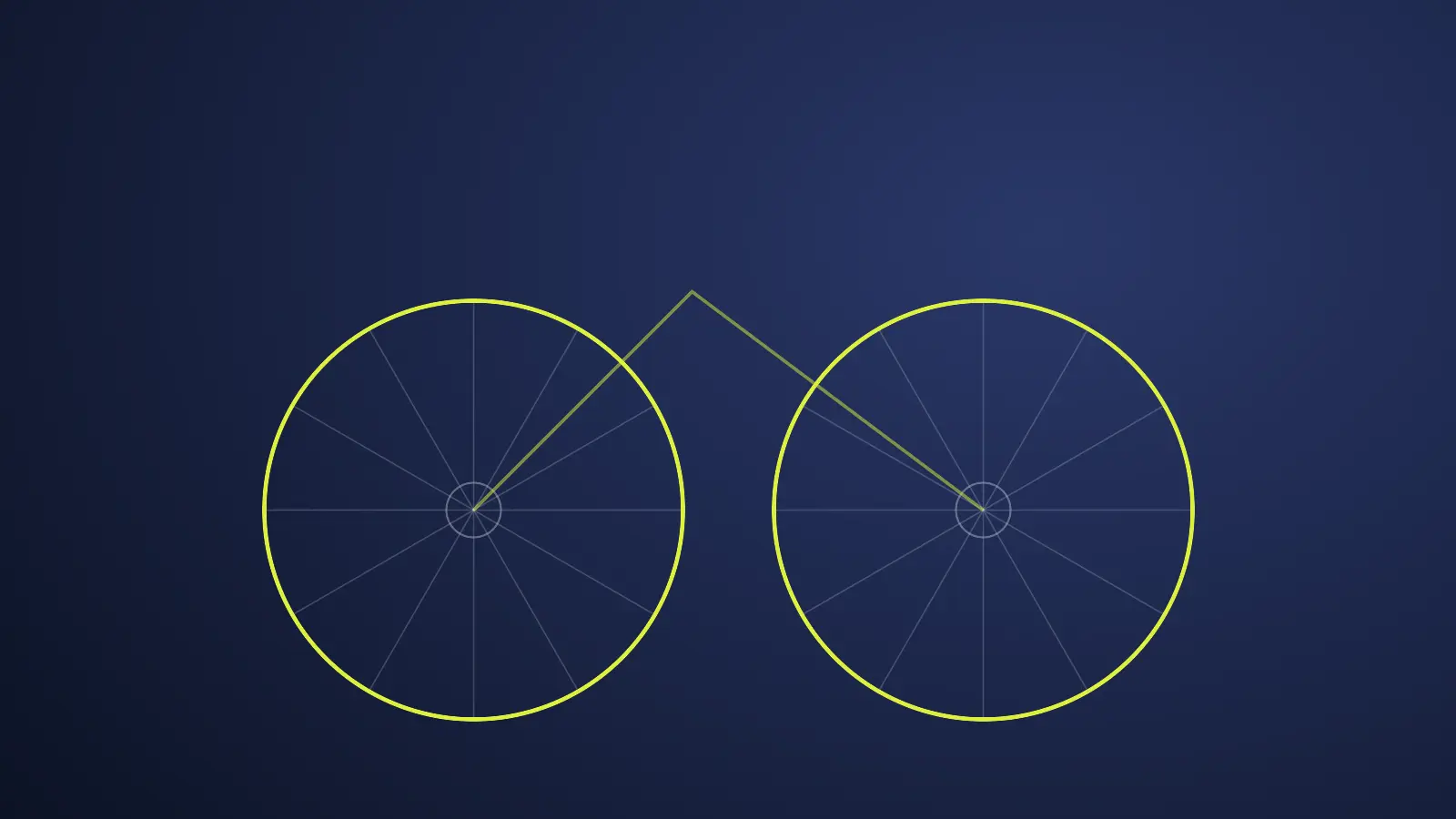
One widely discussed explanation is the artery size hypothesis. The arteries that supply the penis are much narrower than the main coronary arteries. The same degree of narrowing that barely affects a wide artery can noticeably reduce flow through a narrow one. So a man may notice less reliable erections before any heart symptoms appear.
This is a hypothesis that fits much of the evidence, not a rule that applies to every man. ED has many causes, including nerve problems, hormones, medicines, stress and relationship factors, and often several at once.
What the research has found
A frequently cited analysis published in JAMA in 2005 followed men taking part in a large prostate cancer prevention trial. The study found that men who developed erectile dysfunction were more likely to have a cardiovascular event in the following years than men who did not. A later meta-analysis of prospective studies, published in the Journal of the American College of Cardiology, pointed in the same direction.
These are observational studies. They show that ED and heart disease tend to travel together; they do not prove that ED causes heart disease, and they cannot say what will happen to any one person. What they do suggest is that ED is a useful signal to look at the rest of the body.
What this means in practice
- Do not ignore it. Occasional difficulty is normal. Erections that have become persistently less reliable deserve a conversation with a doctor.
- Ask for the basics. Blood pressure, blood sugar and cholesterol checks are simple and are part of a sensible assessment of ED.
- Look at the risk factors you can change. Stopping smoking, moving more, sleeping better and managing weight support blood vessel health generally.
- Treatment of the erection itself is still possible. Addressing heart health does not mean waiting for help with ED. The two can be managed side by side.
Our guide to erectile dysfunction explains how the condition is assessed and the range of treatments, from lifestyle changes and tablets to other options.
When it is urgent
ED on its own is not an emergency. Chest pain, breathlessness, fainting or pain spreading to the arm or jaw are. If you have any of these, contact your local emergency services straight away rather than waiting for an appointment.
References
- Thompson IM, Tangen CM, Goodman PJ, et al. Erectile dysfunction and subsequent cardiovascular disease. JAMA. 2005;294(23):2996–3002. Source
- Dong JY, Zhang YH, Qin LQ. Erectile dysfunction and risk of cardiovascular disease: meta-analysis of prospective cohort studies. J Am Coll Cardiol. 2011;58(13):1378–1385.
- Montorsi P, Ravagnani PM, Galli S, et al. The artery size hypothesis: a macrovascular link between erectile dysfunction and coronary artery disease. Am J Cardiol. 2005;96(12B):19M–23M.
- European Association of Urology. EAU Guidelines on Sexual and Reproductive Health. Source
This article is general health information. It does not replace an individual medical consultation, examination or diagnosis. Read our editorial policy and medical review policy.