Why infection matters
A penile implant is a medical device placed inside the body. If bacteria settle on its surface, antibiotics alone often cannot clear them, and the device may need to be removed. That is why implant surgery is planned around preventing infection from the start.
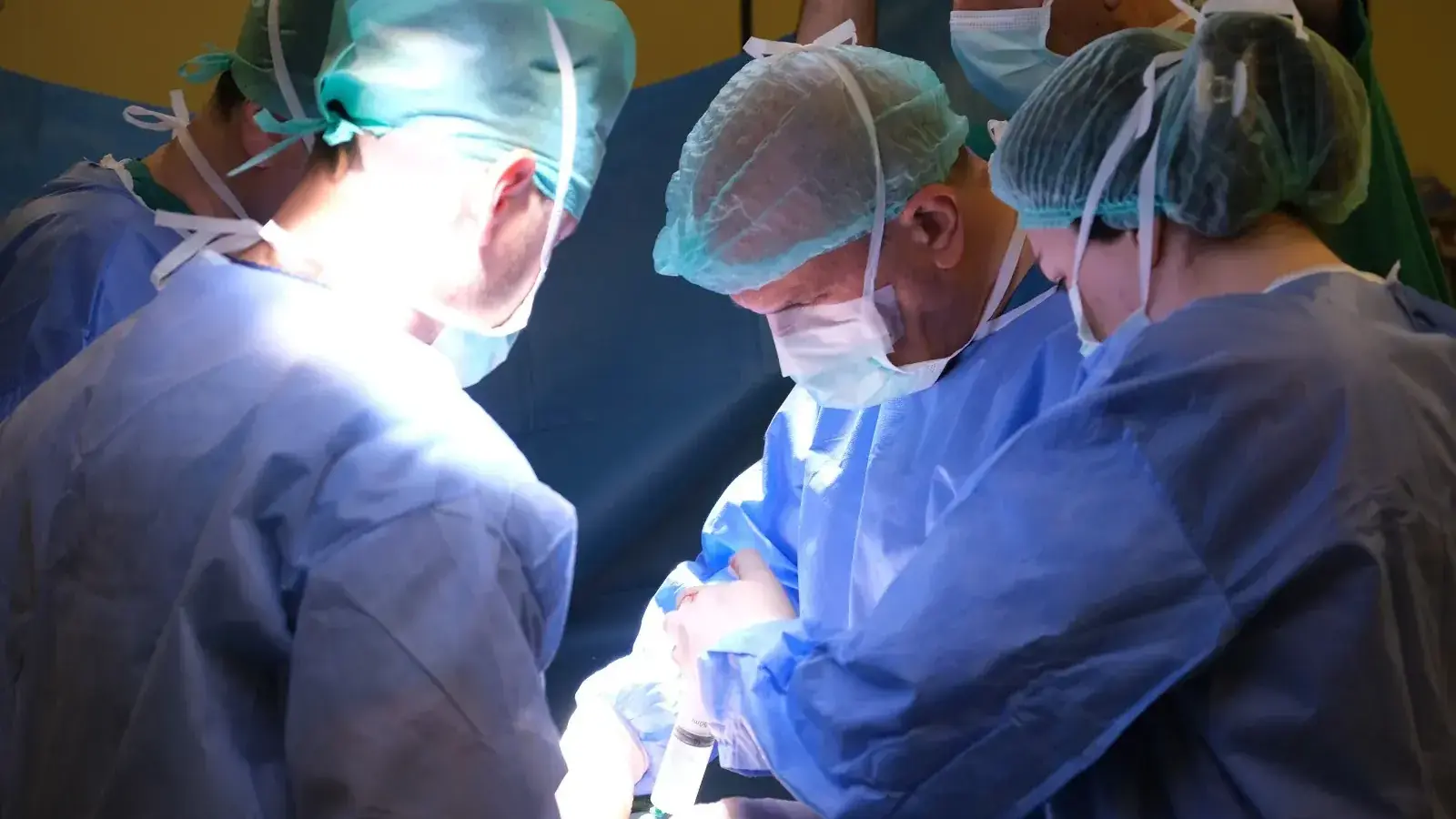
Most infections are caused by bacteria that normally live harmlessly on the skin. They can reach the implant during the operation, so the protocol concentrates on keeping the device away from the skin.
Who is at higher risk
- Men with diabetes, particularly when blood sugar is poorly controlled. See penile implants and diabetes.
- Smokers
- Men having a revision operation to replace an existing implant. See revision surgery.
- Men who take medicines that weaken the immune system, or who have had pelvic radiotherapy
- Anyone with an active skin or urine infection at the time of surgery
Having a risk factor does not usually rule out surgery. It means extra preparation and a careful discussion with your surgeon.
The non-touch technique
- Step 1
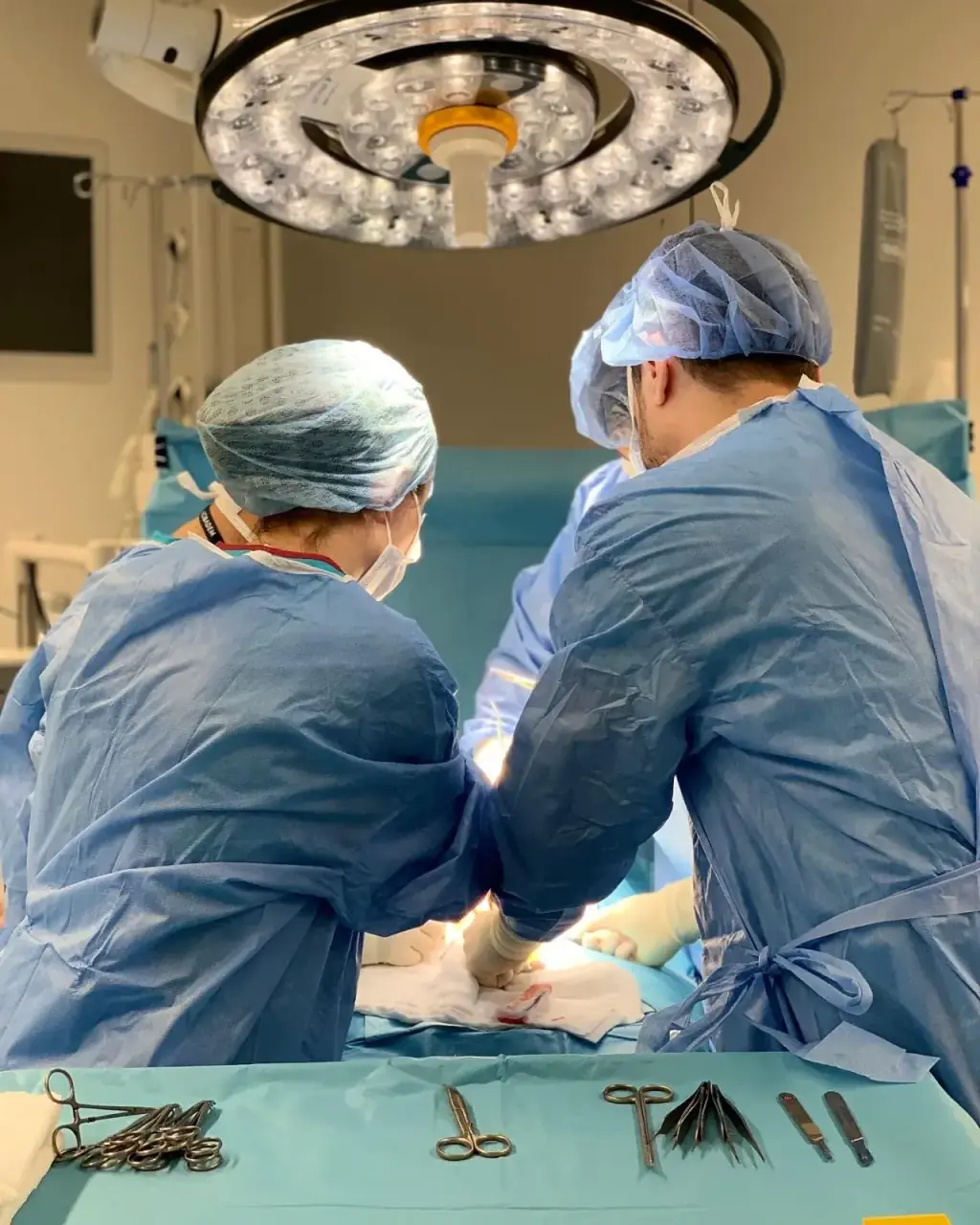
Sterile field and drape
The skin is prepared and covered so it cannot touch the device.
- Step 2
Fresh gloves and instruments
The team changes gloves and instruments after the first incision.
- Step 3
A sterile window
The implant passes only through the drape's window, never across skin.
- Step 4
Coated device, closed irrigation
An antibiotic-coated device and closed irrigation complete the protocol.
In the series published by Dr J. François Eid and colleagues, the non-touch technique combined with antibiotic-coated implants was associated with an infection rate of 0.46%.1 That figure comes from one surgical series; your own risk depends on your health and your operation, and your surgeon will talk it through with you.
At Men's Health Istanbul, the non-touch protocol is used at every implant operation performed by Prof. Dr. Ateş Kadıoğlu. Read more about his approach to implant surgery.
Antibiotic-coated devices
The main inflatable implants have surfaces designed to reduce infection:
- The AMS 700 is available with InhibiZone, an antibiotic coating applied during manufacture.
- The Coloplast Titan has a hydrophilic coating that absorbs an antibiotic solution chosen by the surgeon just before implantation.
Antibiotics are also given around the time of surgery. A coating lowers the risk but does not remove it.
What you can do
- Aim for good blood sugar control in the weeks before surgery if you have diabetes.
- Stop smoking if you can.
- Tell us before you travel about any skin problem, wound or urine infection.
- Follow the washing instructions you are given before the operation.
- After surgery, take your antibiotics exactly as prescribed and keep the wound clean and dry.
Warning signs
Contact us straight away if you notice: increasing pain after the first few days, redness or heat that spreads, a fever, discharge from the wound, or the skin becoming thin or stuck to the device. Early advice matters.
Some swelling, bruising and discomfort are normal in the first weeks. Our recovery guide explains what to expect, and you can reach us by WhatsApp after you return home. See aftercare and follow-up.
If an infection happens
An infected implant usually needs to be removed. In some cases the surgeon can remove it, clean the area thoroughly and place a new device in the same operation (a "salvage" procedure). In others the new implant is placed later, once the infection has cleared. Our page on revision surgery explains these options.
Questions
How common is infection after a penile implant?
It is uncommon, and the risk depends on your health and on whether this is a first operation or a revision. Your surgeon will explain your individual risk before you decide.
Can infection happen months later?
Most infections appear in the first weeks or months after surgery. Later infections are less common. Report any of the warning signs at any time.
Will I need antibiotics after surgery?
Yes, usually for a short course. Your surgeon will tell you which antibiotic to take and for how long.
1. Eid JF, Wilson SK, Cleves M, Salem EA. Coated implants and "no touch" surgical technique decreases risk of infection in inflatable penile prosthesis implantation to 0.46%. Urology. 2012;79(6):1310–1315. Back to text