Editorial
Written byProf. Dr. Zülfü Sertkaya
Medical reviewer (awaiting sign-off)Prof. Dr. Ateş Kadıoğlu
Published
Updated
Medically reviewedNot yet
The short answer
Penile filler is a hyaluronic acid gel injected under the skin of the shaft, under local anaesthetic, in an outpatient appointment of about an hour. It adds girth, not length, and the change is visible immediately, although swelling in the first weeks makes it look larger than the settled result. Published studies typically report that the effect fades over one to two years, with wide variation between men, so repeat treatment is needed to maintain it. Common effects are swelling, bruising and tenderness; less common problems include lumps, an uneven contour, filler moving away from where it was placed and infection. Hyaluronic acid can be dissolved with hyaluronidase if there is a problem. Its use in the penis is off-label.
Key takeaways
- Filler adds girth, not length. It sits under the skin, above the erection chambers, and does not treat erectile dysfunction.
- The result is temporary. Studies typically describe the effect fading over one to two years, and this varies a lot between men.
- Swelling, bruising and tenderness are expected. Lumps, unevenness, migration and infection are less common but real.
- Hyaluronic acid can be dissolved with hyaluronidase, which is one reason it is preferred over permanent injectables.
What is hyaluronic acid, and why is it used in the penis?
Hyaluronic acid is a sugar molecule that occurs naturally in skin and joints. As a medical gel it has been used for decades as a facial filler, which is why its safety profile in soft tissue is well understood. For the penis, the gel is placed in the layer just under the skin of the shaft, around its circumference, so the penis looks and feels thicker. It sits above the erection chambers, not inside them, and it does not change how an erection works.
Two properties make it the filler of choice. First, the body breaks it down gradually, so a result you dislike will not last forever. Second, it can be dissolved early with an enzyme called hyaluronidase. Neither is true of fat, silicone or the industrial substances still injected in unregulated settings.
How is the procedure done?
- Consultation. History, examination, measurement and a frank conversation about what you hope for. If erections are the real problem, filler is the wrong treatment and we say so.
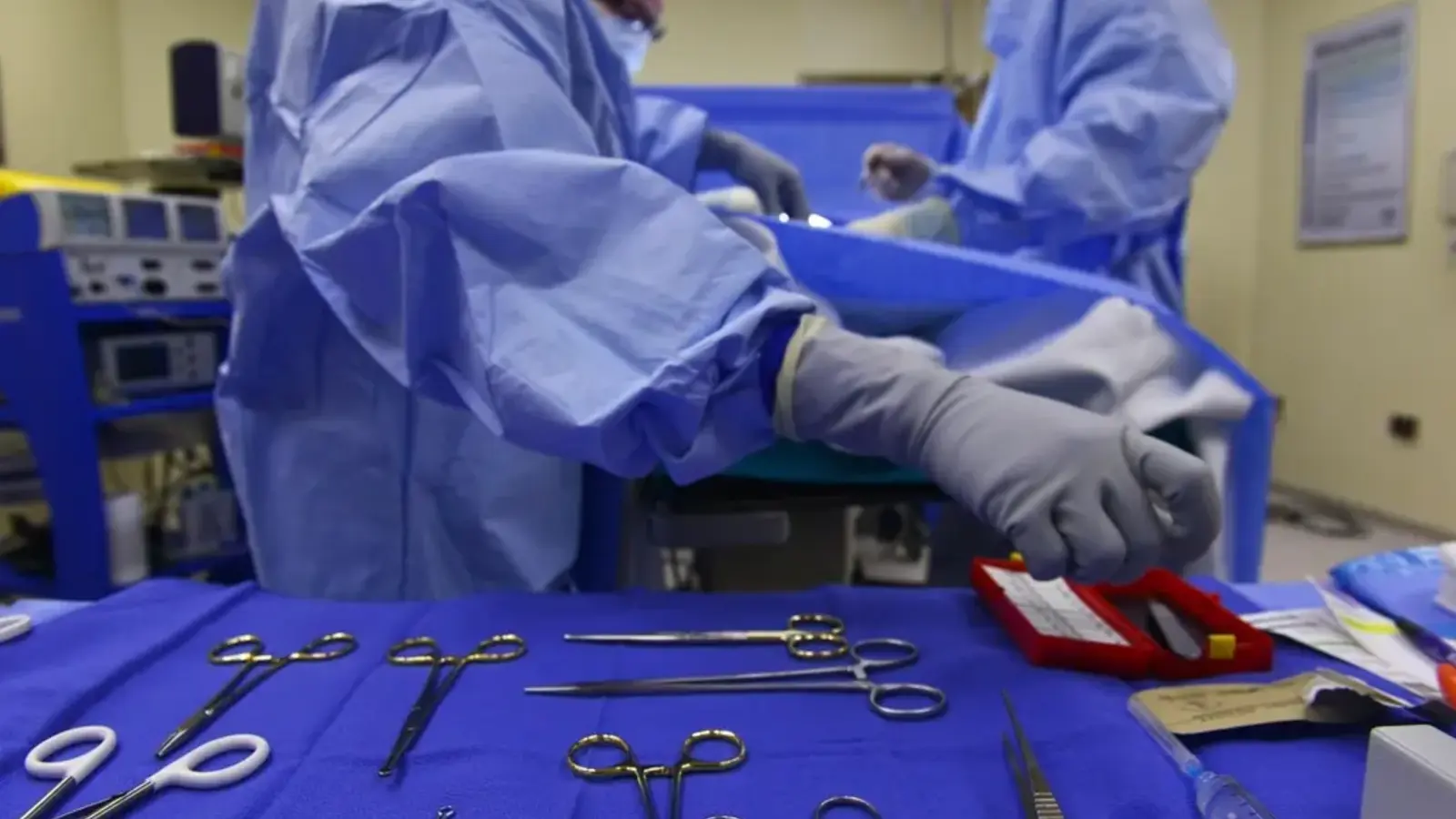
- Anaesthetic. The skin is cleaned thoroughly and numbed with cream and a local anaesthetic injection. There is no general anaesthetic and no hospital stay.
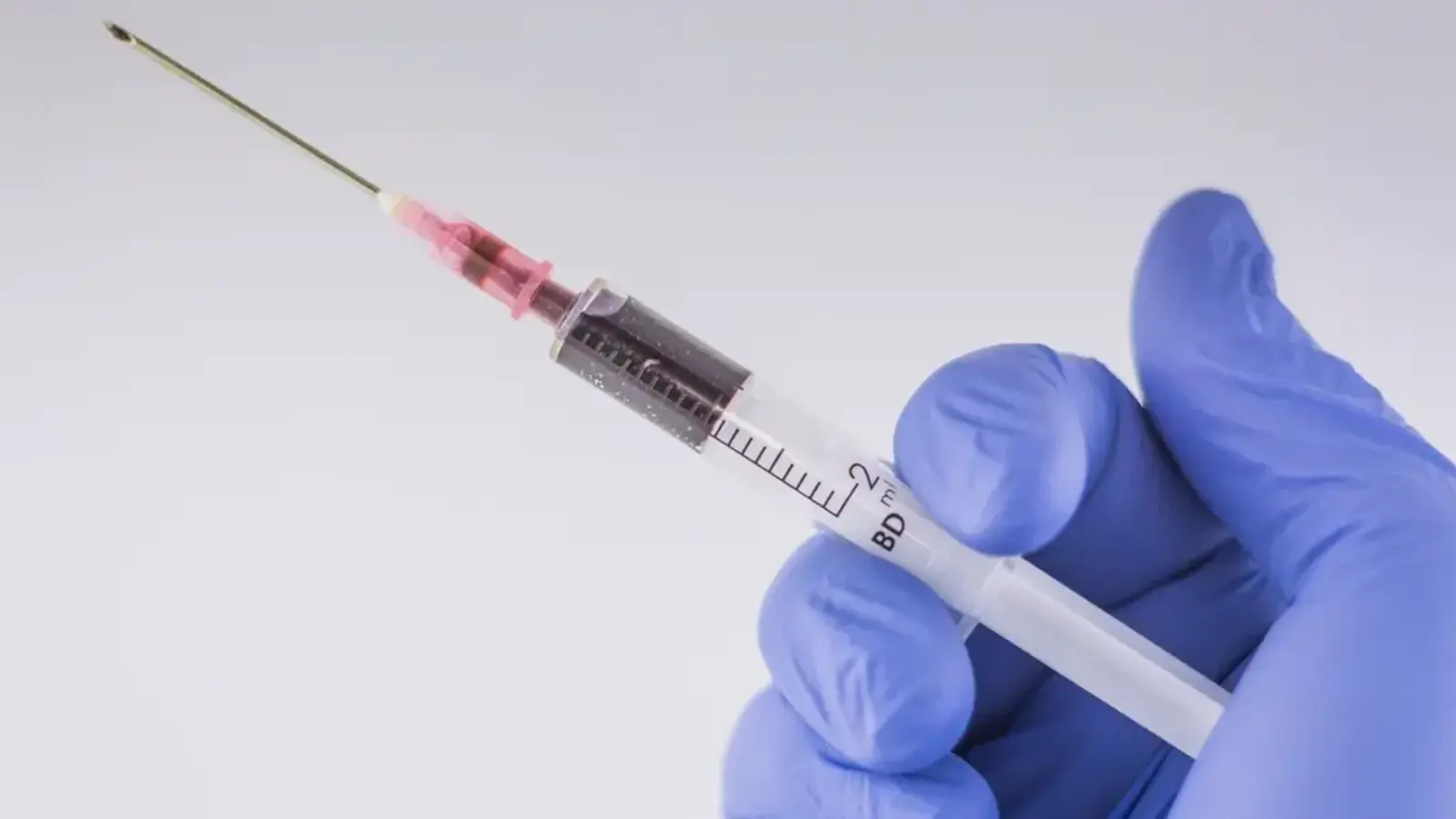
- Injection. The gel is placed evenly under the skin of the shaft, usually through a fine blunt-tipped cannula from one or two entry points, which reduces bruising and the risk of injecting into a blood vessel.
- Shaping. The doctor massages the gel for an even contour and applies a light dressing. You leave the same day.
The whole appointment takes around an hour. The step-by-step description, who it suits and who it does not suit are set out on our penile filler treatment page.
How much girth does filler add?
This is the question every man asks, and the honest answer is a range rather than a number. The change depends on your anatomy, the elasticity of the skin, the volume that can be placed safely and evenly, and how your body responds. Studies of hyaluronic acid girth enhancement report measurable increases in circumference and good satisfaction in many men, but they are small series with short follow-up, and the systematic review by Marra and colleagues rated the overall quality of evidence for all enlargement procedures as low.
Be wary of clinics that quote a fixed gain in centimetres or advertise very large volumes. More gel is not simply more result: beyond a certain point it raises the risk of lumps, an uneven shape and migration. We do not promise a specific increase, and we would rather place less and keep the contour even.
How long does penile filler last?
Hyaluronic acid is broken down by the body over time. Published studies typically describe the effect fading over one to two years, but the variation between men is wide: in some the change is clearly reduced within a year, in others it persists longer. Thicker, more cross-linked gels tend to last longer than lighter facial products. Keeping the effect means further treatment, which is a running cost worth thinking about before you start. Our article on whether permanent enlargement is possible explains why "temporary" is also a safety feature.
What does recovery involve?
| When | What usually happens |
|---|---|
| Same day | Back to your hotel or home. Tenderness, swelling and some bruising are common. |
| Days 1 to 3 | Swelling is at its most noticeable, then starts to settle. Keep the area clean and dry. |
| About 1 week | Sexual activity and masturbation usually resume, as your doctor advises. |
| Weeks 2 to 3 | Swelling has usually gone and the settled contour is clear. Follow-up check, in person or online. |
Early swelling makes the penis look larger than the final result, which is why photographs taken in the first days are misleading. The safety and recovery page has the full aftercare list.
What are the risks?
Penile filler is a medical procedure, and it has the risks of one.
- Expected: swelling, bruising, tenderness and temporary changes in sensation while the tissue settles.
- Less common: lumps or nodules you can feel, an uneven or irregular contour, and migration of the gel towards the base or the head of the penis.
- Uncommon but serious: infection, delayed inflammatory reactions, and injury to a blood vessel if gel enters it. Careful cannula technique is the main defence against the last of these.
Many of these problems can be improved by dissolving some or all of the gel with hyaluronidase. Others may need further treatment. Your doctor should discuss your individual risks before you decide, and should have a plan for managing complications, not just for performing the injection.
Who should not have penile filler?
Filler is usually not advised if you have an active infection or skin condition in the area, a bleeding disorder or blood thinners that cannot be paused, an untreated curve or Peyronie's disease, or a previous penile injection of an unknown substance. It is also the wrong treatment if what you want is length, or if your real concern is erection quality. And if measurement shows a normal-sized penis and the worry is taking over your life, the guidelines are clear that counselling should come first. Many men are relieved to hear that.
Questions to ask your doctor
- Which product, and how many millilitres?
- How many of these procedures do you perform, and what complications have you seen?
- Do you stock hyaluronidase, and when would you use it?
- What does the follow-up look like, and who do I contact if something is wrong after I travel home?
Short answers to the questions we hear most are on our penile filler FAQ.
Questions men also ask
Does penile filler hurt?
The skin is numbed with cream and local anaesthetic, so most men describe pressure rather than sharp pain during the injection. Tenderness for a few days afterwards is normal.
How much filler is used?
It depends on your anatomy and on how much can be placed safely and evenly. Your doctor should tell you the product name and the volume before treatment, and the plan should favour an even contour over the largest possible amount.
When can I have sex after penile filler?
Usually after about a week, once the skin has settled, and only as your doctor advises. Sex too early can displace the gel or introduce infection.
Is hyaluronic acid filler approved for the penis?
No. In the UK, EU and US dermal fillers are approved for facial use, and penile use is off-label. That does not make it illegal, but it does mean long-term evidence is limited and the discussion of risks matters more.
Sources & further reading
- Sexual Medicine Reviews Systematic review of surgical and nonsurgical interventions in normal men complaining of small penis size (opens in a new tab) (2020) Marra G, Drury A, Tran L, Veale D, Muir GH
- Journal of Sexual Medicine The effects of penile girth enhancement using injectable hyaluronic acid gel, a filler (opens in a new tab) (2011) Kwak TI, Oh M, Kim JJ, Moon DG
- FDA Dermal fillers (soft tissue fillers) (opens in a new tab) (2023) US Food and Drug Administration
- EAU EAU Guidelines on Sexual and Reproductive Health (opens in a new tab) (2024) European Association of Urology
Concerned about something you've read?
Ask one of our specialists privately. There is no obligation, and no question is too awkward.
This article is general health information. It does not replace an individual medical consultation, examination or diagnosis. Read our editorial policy and medical review policy.