
Editorial
Written byMen's Health Istanbul Editorial Team
Medical reviewer (awaiting sign-off)Prof. Dr. Ateş Kadıoğlu
Published
Updated
Medically reviewedNot yet
The short answer
Sexual health is increasingly treated as part of overall health because the evidence shows the two are closely connected. The World Health Organization defines sexual health as physical, emotional, mental and social well-being, not just the absence of disease. Research has linked erectile dysfunction with a higher risk of later cardiovascular events, and expert consensus and European urology guidelines advise that men with erectile problems have their general health and heart risk factors checked. The practical result is that a sexual problem can be a sensible reason for a wider health review.
Key takeaways
- The WHO defines sexual health as well-being in relation to sexuality, not merely the absence of disease.
- A 2013 meta-analysis linked erectile dysfunction with a higher risk of later cardiovascular events and death.
- The Princeton III consensus (2012) and EAU guidelines advise assessing heart risk factors in men with ED.
- A sexual problem can be a reasonable starting point for a wider health check.
What happened?
There was no single announcement. Instead, over roughly the past two decades, several influential bodies have described sexual health as part of general health rather than a separate, private concern.
The World Health Organization's working definition, set out on its sexual health pages, describes sexual health as a state of physical, emotional, mental and social well-being in relation to sexuality, and "not merely the absence of disease". In 2012 the Princeton III consensus, a group of cardiology and sexual medicine experts writing in Mayo Clinic Proceedings, recommended that men with erectile dysfunction be assessed for cardiovascular risk. A 2013 meta-analysis by Vlachopoulos and colleagues then pooled cohort studies and found that ED was associated with a higher risk of cardiovascular events and death from any cause.
European Association of Urology guidelines, updated regularly and most recently cited here in their 2024 edition, build this into routine practice: the assessment of a man with ED includes his general health and cardiovascular risk factors.
Why are doctors talking about it?
Because the link works in both directions. Conditions such as diabetes, high blood pressure, raised cholesterol, obesity and depression can all affect sexual function. And a sexual problem can be the first thing a man notices, sometimes before any other symptom.
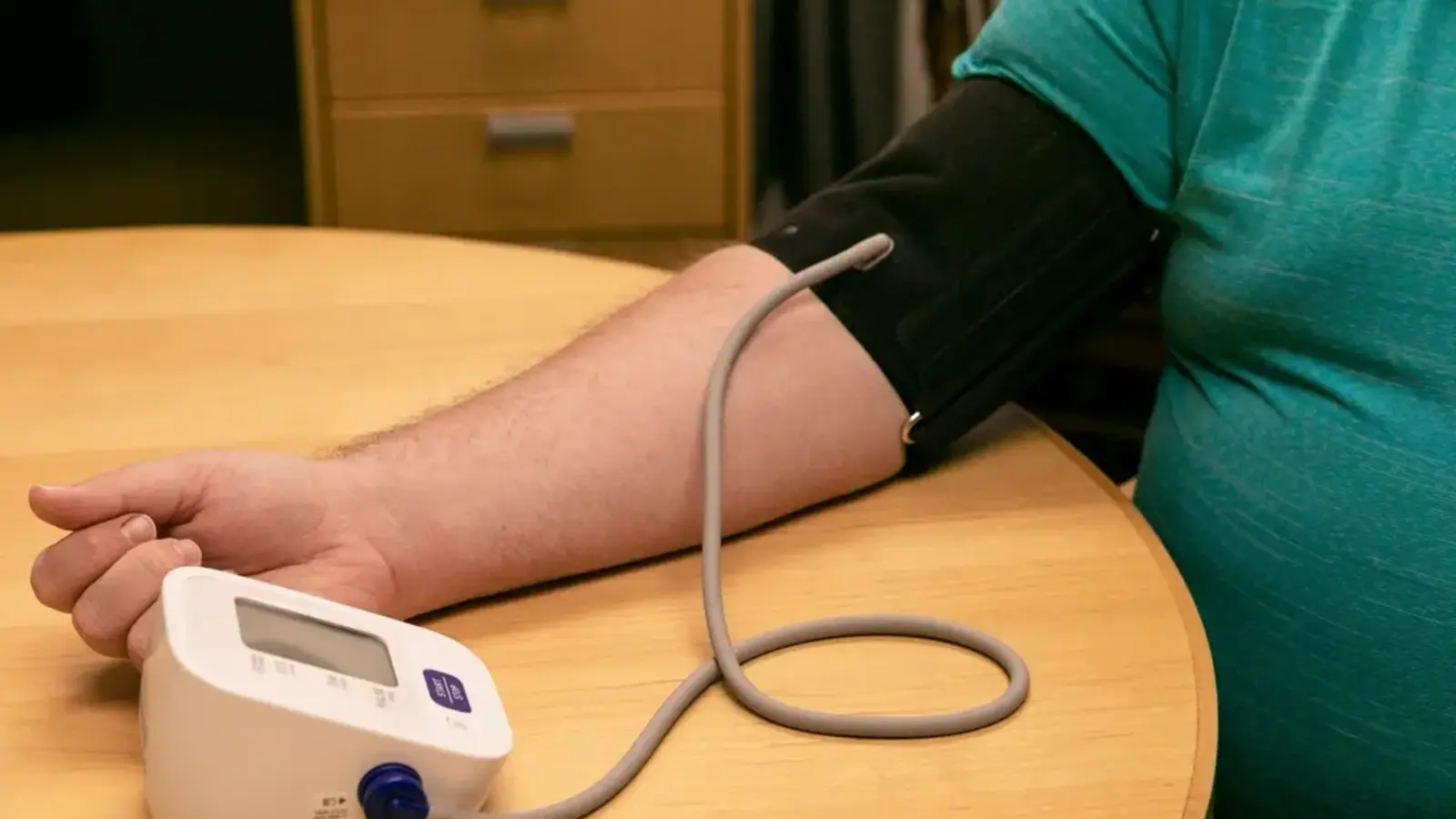
The blood vessels that supply the penis are small, so changes in blood vessel health may show up there early. That makes ED a useful prompt: a reason to check blood pressure, blood sugar and cholesterol, and to talk about smoking, activity, sleep and mood.
The WHO definition also matters in a different way. It recognises that sexual health includes emotional and relationship well-being, which is why guidelines encourage doctors to ask about partners, stress and mental health, not only physical causes.
What does it mean for men?
- It is legitimate to raise. Sexual problems are a normal part of a medical conversation, not an embarrassing extra.
- Expect a wider check. A good assessment of ED usually looks at the whole body, including heart risk factors and medicines.
- Treatment can run in parallel. Looking after heart health does not mean waiting for help with the sexual problem itself.
- Mind and relationship count. Anxiety, depression and relationship strain are recognised causes and can be addressed.
What we know
- Erectile dysfunction and cardiovascular disease share many of the same risk factors.
- Cohort studies, pooled in the 2013 meta-analysis, show that men with ED are more likely on average to have later cardiovascular events.
- Expert consensus and current urology guidelines recommend assessing cardiovascular risk in men with ED.
What we still don't know
- What it means for one individual. The findings describe averages across large groups and cannot predict any single man's future.
- Cause and effect. The studies are observational. They show that ED and heart disease tend to travel together, not that one directly causes the other.
- How much routine checking changes outcomes. The recommendation rests largely on observational evidence; how much it improves long-term heart outcomes is less well established.
For more on the heart connection, read why erectile dysfunction can be an early health warning, or see our male sexual health guide.
Questions men also ask
Should I tell my GP about erection problems?
Yes. It is a common medical issue, and mentioning it allows a doctor to check blood pressure, blood sugar and cholesterol as well as discussing treatment.
Does having erectile dysfunction mean I have heart disease?
No. It is linked with a higher risk on average, but ED has many causes. It is a reason to get checked, not a diagnosis in itself.
Sources & further reading
- WHO Sexual health (opens in a new tab) (2024) World Health Organization
- Mayo Clinic Proceedings The Princeton III Consensus recommendations for the management of erectile dysfunction and cardiovascular disease (opens in a new tab) (2012) Nehra A, et al.
- Circulation: Cardiovascular Quality and Outcomes Prediction of cardiovascular events and all-cause mortality with erectile dysfunction: a systematic review and meta-analysis of cohort studies (opens in a new tab) (2013) Vlachopoulos CV, et al.
- EAU EAU Guidelines on Sexual and Reproductive Health (opens in a new tab) (2024) European Association of Urology
Concerned about something you've read?
Ask one of our specialists privately. There is no obligation, and no question is too awkward.
This article is general health information. It does not replace an individual medical consultation, examination or diagnosis. Read our editorial policy and medical review policy.