Editorial
Written byMen's Health Istanbul Editorial Team
Medical reviewer (awaiting sign-off)Asst. Prof. Dr. Yusuf İlker Çömez
Published
Updated
Medically reviewedNot yet
The short answer
After 40, the checks most worth discussing with a doctor are simple ones: blood pressure, cholesterol, blood sugar (often measured as HbA1c), and weight and waist size, because these shape heart, kidney and sexual health. PSA testing for prostate cancer is a personal decision to make after talking through benefits and harms, usually from the fifties, or earlier with a family history. Testosterone is worth testing only if you have symptoms such as low desire or fewer morning erections. Any new urinary or erection problem is also a reason for a check-up.
Key takeaways
- Blood pressure, cholesterol, blood sugar and waist size are the foundation checks after 40.
- PSA testing is a shared decision; it is not an automatic part of every check-up.
- Testosterone should be tested when there are symptoms, with a morning blood sample and a repeat test if low.
- New erection or urinary problems are worth reporting, as they can point to wider health issues.
Why are the forties a good time for a health check?
Many of the conditions that affect men later in life, such as high blood pressure, type 2 diabetes and narrowing of the arteries, develop quietly for years. They often cause no symptoms until something goes wrong. The forties are a practical point to find out where you stand while there is plenty of time to act.
The aim is not to test for everything. More tests are not automatically better, and some can lead to worry or further procedures without clear benefit. The useful checks are the ones that can change what you or your doctor do next.
Which blood tests should a man have after 40?
The foundations are straightforward:
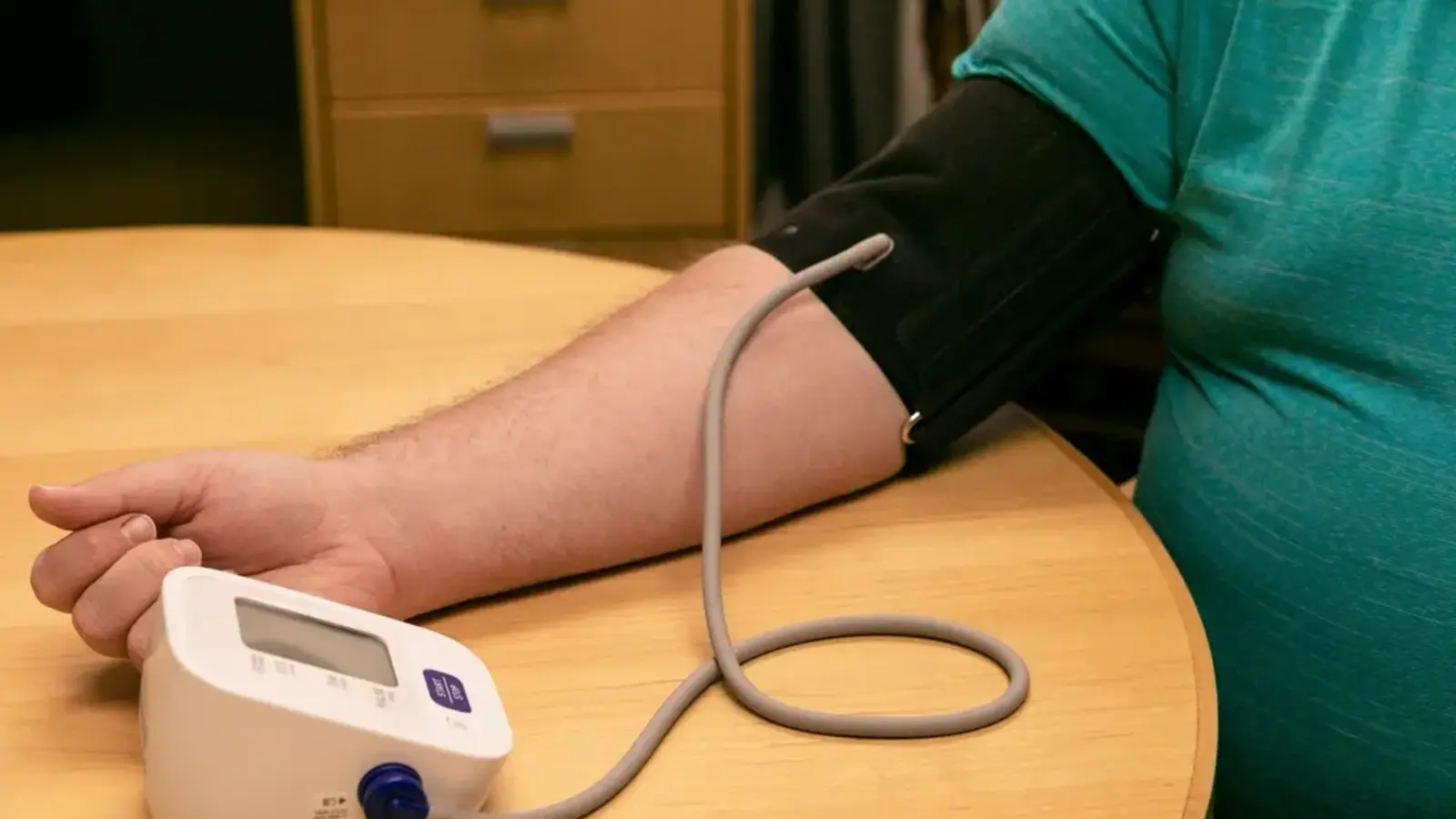
- Blood pressure. High blood pressure rarely causes symptoms, but it strains the heart, brain, kidneys and blood vessels, including those involved in erections.
- Cholesterol. A blood test for fats (lipids) helps estimate your risk of heart disease and stroke.
- Blood sugar. A fasting glucose or an HbA1c test, which reflects the average sugar attached to haemoglobin over recent months, can pick up diabetes or pre-diabetes.
- Weight and waist. Waist size is a simple clue to fat around the organs, which is closely linked to diabetes and heart disease.
Your doctor may add kidney function or other tests depending on your health and medicines. Family history of early heart disease, diabetes or cancer is worth mentioning, because it can change what is recommended.
Can erection problems be a reason for a health check?
Yes. Erections depend on healthy blood vessels, and the Princeton III consensus, written by specialists in sexual medicine and cardiology, advises that men with erectile dysfunction should have their cardiovascular risk assessed. A man who notices his erections becoming less reliable has a good reason to book the checks above, not just to seek treatment for the symptom.
Should I have a PSA test at 40?
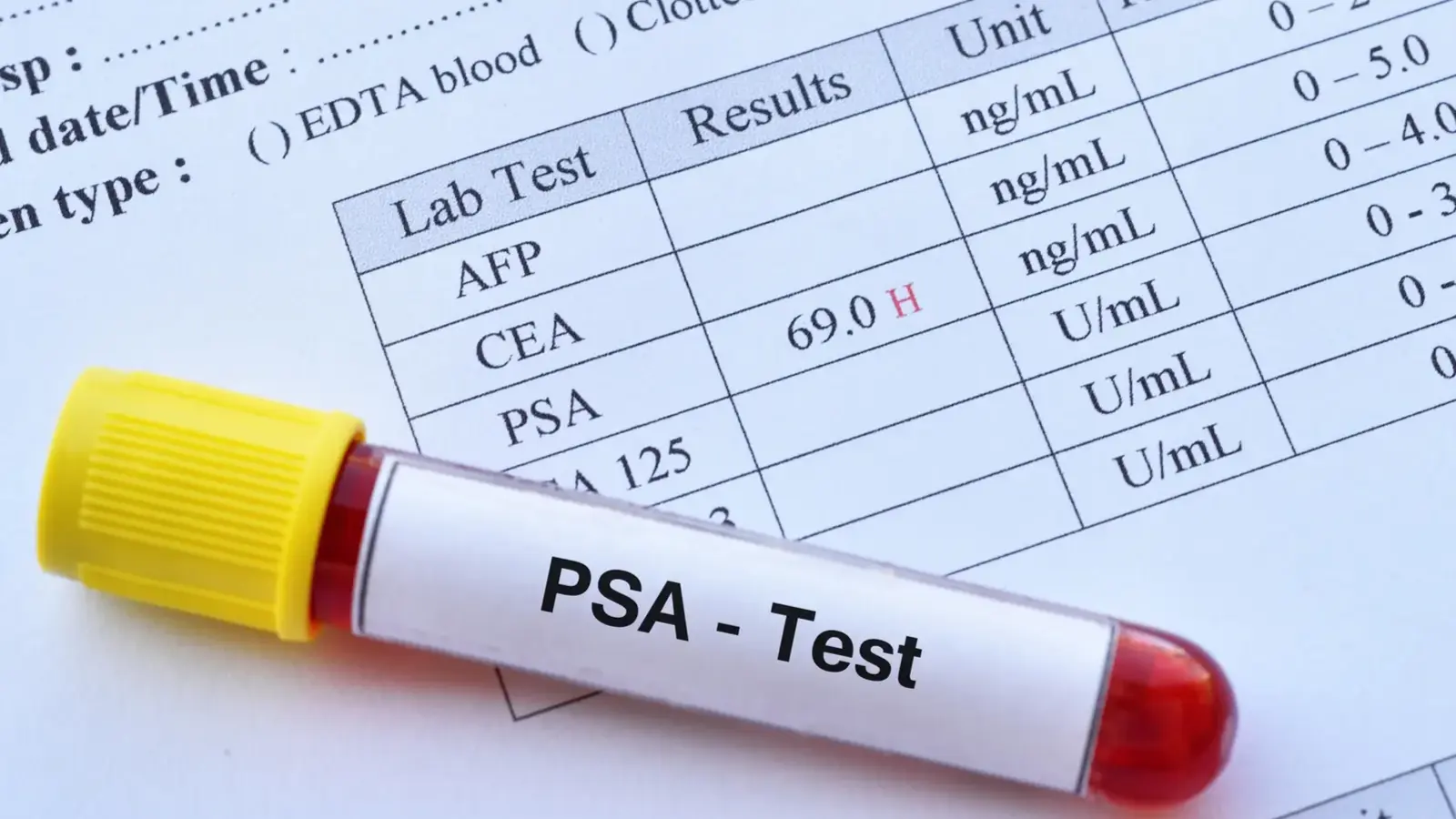
For most men, not routinely. The PSA blood test can help detect prostate cancer earlier, but it also finds cancers that would never have caused harm, which can lead to biopsies and treatment with side effects. The US Preventive Services Task Force recommends that men aged 55 to 69 decide individually after discussing benefits and harms with a clinician, and advises against routine screening from 70.
Men at higher risk, for example those with a father or brother diagnosed with prostate cancer, may be advised to start that conversation earlier. Our explainer on the PSA test sets out what a result can and cannot tell you.
Should men over 40 get their testosterone checked?
Only if there is a reason. Guidelines from the Endocrine Society and the American Urological Association recommend testing men who have symptoms that suggest deficiency, such as low sexual desire, fewer morning erections, erectile problems or unexplained loss of energy, rather than screening everyone.
When testosterone is measured, it should be done on a morning blood sample, when levels are highest, and a low result should be repeated before any diagnosis is made. A single low number on its own is not enough.
What about urinary symptoms?
A weaker stream, needing to go more often or getting up at night are common as men age, often because of benign prostate enlargement. They are not a test as such, but they are worth reporting. A doctor can use a short symptom questionnaire and a urine test to decide whether anything further is needed.
How can I get the most from a check-up?
- Write down any symptoms, including sexual and urinary ones, even if they feel minor.
- Know your family history of heart disease, diabetes and cancer.
- Bring a list of medicines and supplements.
- Ask what each result means and when it should be repeated.
What to take away
After 40, a few simple measurements do most of the work. PSA and testosterone tests are worth discussing, but they are decisions to make with a doctor rather than boxes to tick. If sexual health is part of your concern, our overview of male sexual health explains how it is assessed.
Questions men also ask
How often should I have a health check after 40?
It depends on your results, risk factors and local health system. Your doctor can suggest how often to repeat each check; men with normal results often need them less frequently than those with raised readings.
Should I buy a home testosterone or PSA test kit?
A single home result can be hard to interpret without the context of symptoms, timing and repeat testing. It is usually more useful to have these tests arranged and explained by a doctor.
Is a prostate examination part of every check-up?
No. A doctor may suggest one when you have urinary symptoms or as part of a discussion about prostate cancer testing, and will explain it first.
Sources & further reading
- Mayo Clinic Proceedings The Princeton III Consensus recommendations for the management of erectile dysfunction and cardiovascular disease (opens in a new tab) (2012) Nehra A, et al.
- JAMA Screening for Prostate Cancer: US Preventive Services Task Force Recommendation Statement (opens in a new tab) (2018) US Preventive Services Task Force
- Journal of Clinical Endocrinology & Metabolism Testosterone Therapy in Men With Hypogonadism: An Endocrine Society Clinical Practice Guideline (opens in a new tab) (2018) Bhasin S, et al.
- Journal of Urology Evaluation and Management of Testosterone Deficiency: AUA Guideline (opens in a new tab) (2018) Mulhall JP, et al.
- EAU EAU Guidelines on Management of Non-neurogenic Male Lower Urinary Tract Symptoms (LUTS) (opens in a new tab) (2024) European Association of Urology
Concerned about something you've read?
Ask one of our specialists privately. There is no obligation, and no question is too awkward.
This article is general health information. It does not replace an individual medical consultation, examination or diagnosis. Read our editorial policy and medical review policy.